Mammal · Monkeys
Snow monkey
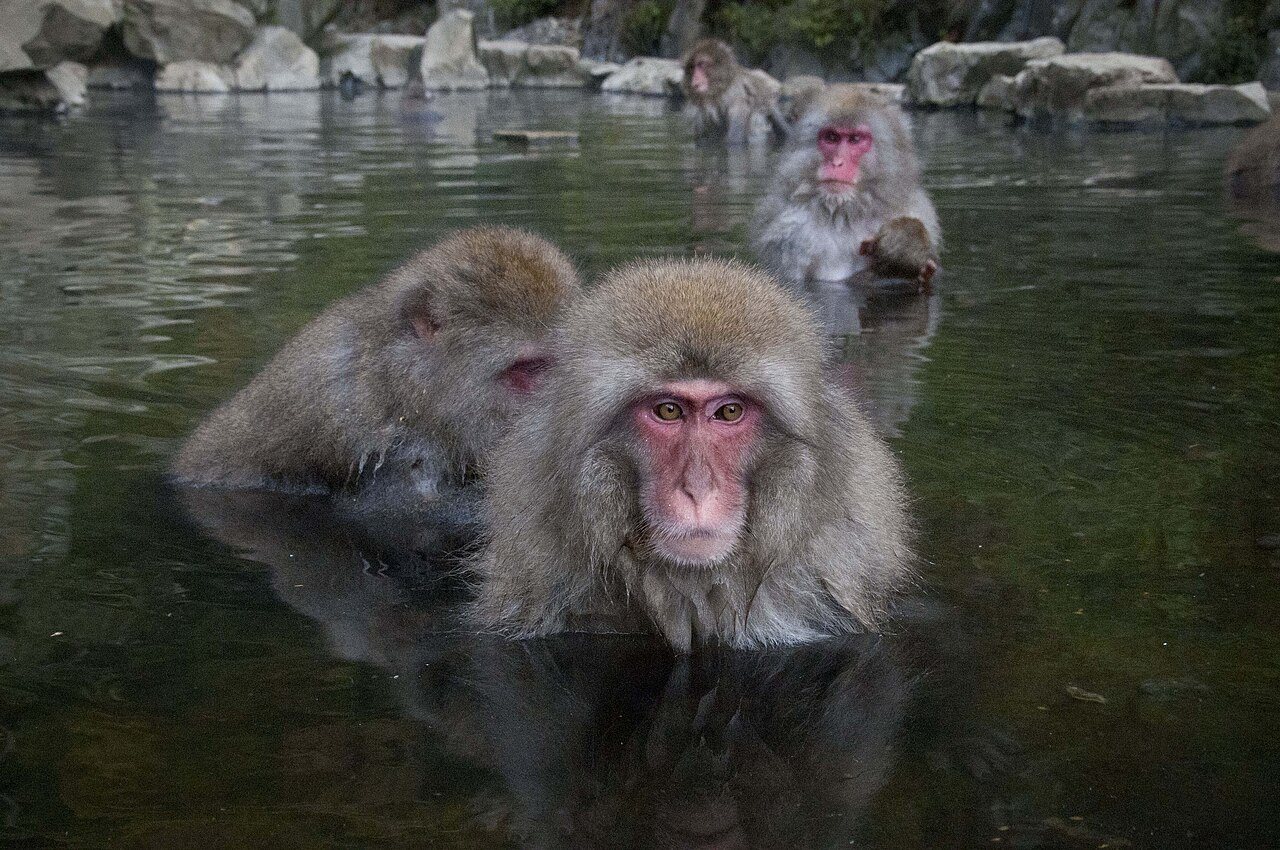
The world's most northerly monkey lives in snowy mountain forests, and at Jigokudani it warms up in the hot springs in winter.
Meet the snow monkey Wildlife
Mammal · Monkeys
The world's most northerly monkey lives in snowy mountain forests, and at Jigokudani it warms up in the hot springs in winter.
Meet the snow monkey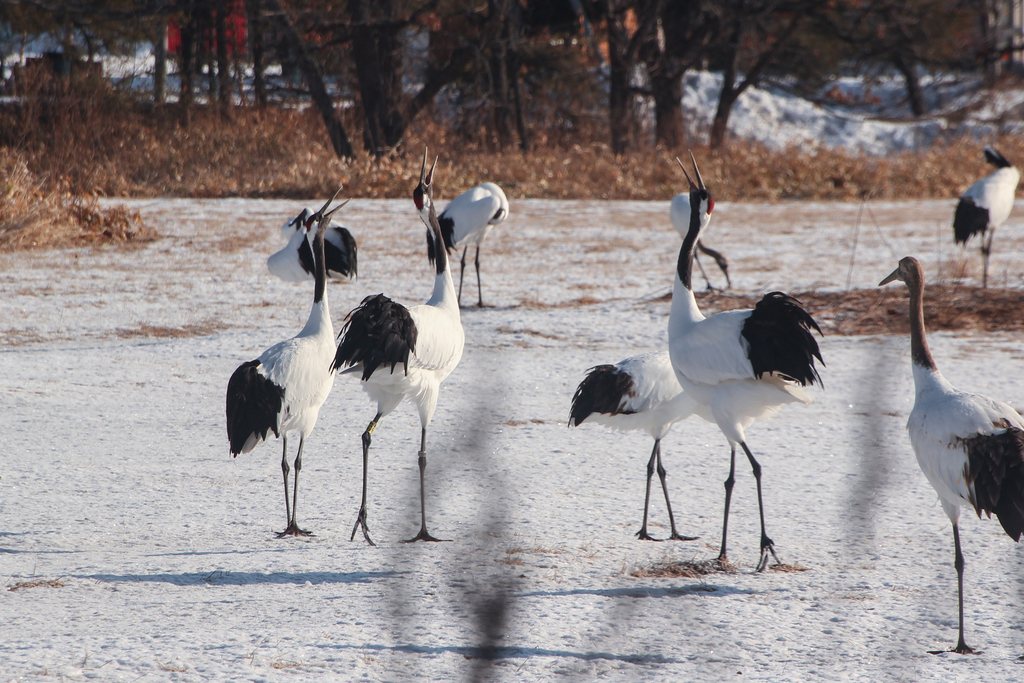
Bird · Cranes
Once close to extinction, Hokkaido's cranes recovered thanks to winter feeding, and now dance in the snow of the Kushiro marshes.
Meet the crane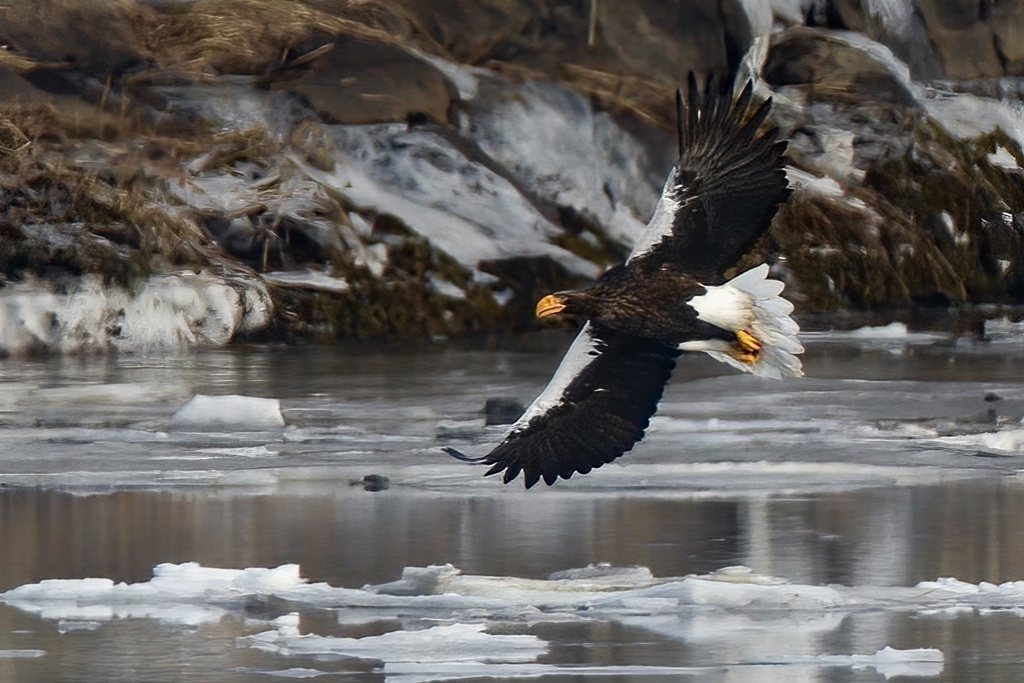
Bird · Eagles
One of the heaviest eagles in the world arrives from Russia each winter to hunt among the drift ice off Shiretoko.
Meet the sea eagle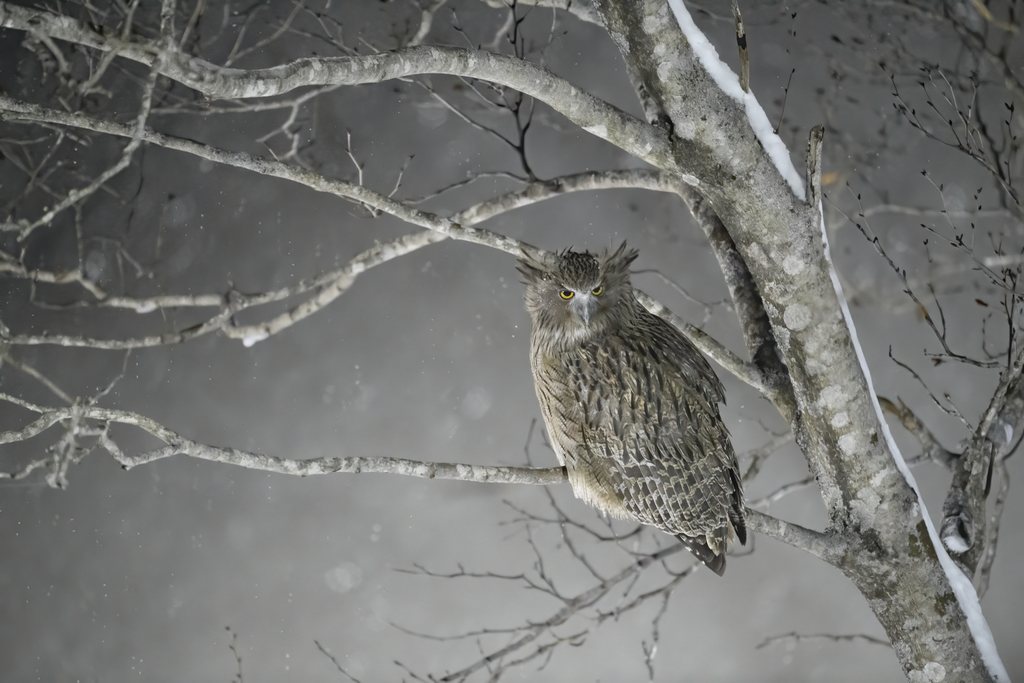
Bird · Owls
A huge owl of Hokkaido's forest rivers that wades into the shallows to catch fish at night. Fewer than 200 remain in Japan.
Meet the fish owl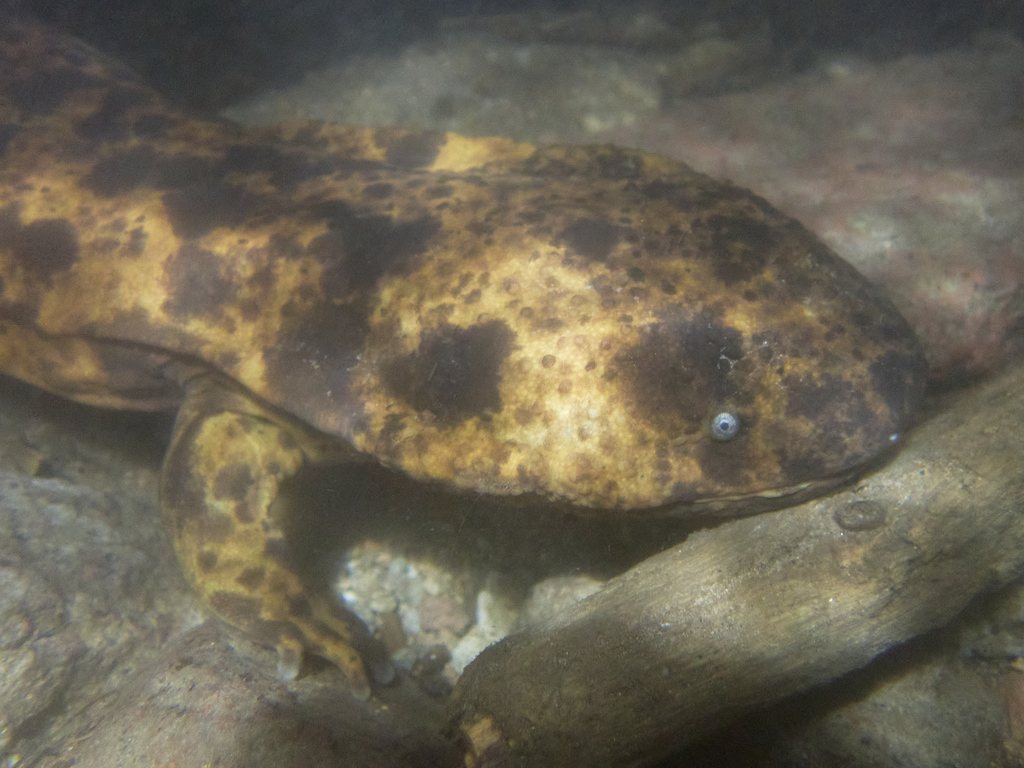
Amphibian · Salamanders
Growing to well over a metre long, it lives in the clear rivers of western Japan and has changed little in millions of years.
Meet the salamanderA free field guide to 905 animals in Japan: photos and identification notes for 155 mammals, 607 birds, 74 amphibians, 36 lizards, 26 snakes and 7 turtles and crocodiles, plus 16 of the best places to see wildlife in Japan, a trip planner and a personal sightings log. Free, with no sign-up.
700+ mammals, birds, reptiles and amphibians
Wildlife of Japan is a free online field guide to the wildlife of Japan: 905 species (155 mammals, 607 birds, 74 amphibians, 36 lizards, 26 snakes and 7 turtles and crocodiles) with photos and identification notes, 16 places to see wildlife, a trip planner and a personal sightings log. It is part of Wildlife of Everywhere, a family of free guides to Asia's wildlife destinations.
Highlights include Kushiro Marsh & Tsurui (Eastern Hokkaido), Jigokudani Monkey Park (Nagano), Shiretoko Peninsula (Eastern Hokkaido), Nemuro Peninsula & Lake Furen (Eastern Hokkaido) and Kamikochi & the Northern Alps (Nagano). The guide covers 16 places in all, each with the species it is known for and tips for visiting.
The guide's best places for the Japanese Macaque are Jigokudani Monkey Park, Kamikochi & the Northern Alps and Yakushima. A steep valley near Yudanaka where a troop of Japanese macaques comes down to bathe in a hot spring pool, most famously in the snow of January and February.
The guide's best places for the Red-crowned Crane are Kushiro Marsh & Tsurui and Izumi Crane Grounds. Japan's largest wetland and the home of the red-crowned crane, which came close to extinction in the early 20th century and recovered thanks to winter feeding by local farmers.
The guide's best places for the Steller's Sea Eagle are Shiretoko Peninsula and Nemuro Peninsula & Lake Furen. A World Heritage peninsula of forest, cliffs and sea at the north-eastern tip of Hokkaido.
Yes. The guide is free with no sign-up, and works in any phone, tablet or computer browser. Your trip plan and sightings log are saved on your own device.
Species list built from the Mammal Diversity Database, the IOC World Bird List, the Reptile Database and GBIF records. Photos are openly licensed or used with permission; tap the i on any photo for its credit. Status labels are Japan's own national categories from the Ministry of the Environment Red List.
Yes. Use the contribution form to send photos, an album link, a trip report or a species that is missing. Every contribution is checked before it is added, you keep your copyright, and you are credited by name.
Many of Japan's species still have no photo in this guide. If you have a good, openly licensed photo of one, we would love to use it, with credit.